
How to write your life story
Published
Written by Andy McNulty
Family stories, Writing prompts, Memoir
There is no single right way to write your life story. This guide covers how to start, whether you like a clear plan, the freedom of a blank page, a favourite object, or the sound of your own voice, with five questions you can answer today.
Everyone starts writing their life story from a different place
Picture a few people who each want their life written down. The first opens a blank document, types a sentence, feels like it’s not right, deletes it, and closes the laptop an hour later. The second is handed a form with forty questions in a fixed order, and loses heart at question six because it asks about a school they never went to. The third could talk about their life all afternoon, but the moment someone says “write it down”, the words dry up. The fourth has a shoebox of photographs and a head full of stories, but arthritis, a stroke or failing eyesight has made holding a pen or reading a screen hard, so they assume it is too late.
They all want the same thing, but give up for different reasons. My daughter gave me a prompt book for my memories which I never even started. I preferred typing to handwriting, many of the questions did not apply to me, and I kept wishing someone would ask me a follow-up. My father-in-law spent years writing a thorough memoir, which suited him well. And I have friends who will happily talk about their parents for hours but would never write any of it down. It was part of the reason why I started Treetold.

Is it left-brain vs right-brain?
You may have heard that people are either left-brained (logical and orderly) or right-brained (creative and free). It is tempting to use that to explain the differences above, so it is worth looking at where the idea came from.
It began with real science. In the 1960s, Roger Sperry and his colleagues studied patients whose two brain hemispheres had been surgically separated, and found that each side handles some tasks differently. Sperry later won a Nobel Prize for that work. In the decades that followed, popular books stretched a finding about how the brain divides certain jobs into a claim about personality types.
In 2013, researchers at the University of Utah examined resting brain scans from 1,011 people aged 7 to 29, covering around 7,000 regions of the brain. Some functions do lean to one side: language tends to sit on the left, and attention tends to sit more on the right. But the strongly one-sided connections did not cluster in the same people, so there was no sign that anyone's brain leans left or right overall. You can read the original study in PLOS ONE.
Of course one study never settles everything, but this one is widely cited, and the "left-brained or right-brained person" label hasn’t held up well since.
What is still true about how people like to write
None of that makes the differences imaginary. People do differ in how they like to work. Some want to plan and see the whole route first. Others want to wander and find out what they have to say as they go. That is a preference, not a type of brain, but it is reality. Plenty of people are a bit of both, and want a different approach on a different day. Some remember through a smell or an old object long before they remember a date. Some would much rather talk than write, and some cannot easily write at all. Whatever your starting point, there is a way in.
The rest of this guide takes each of these starting points in turn, so go straight to whichever sounds most like you.
How to start writing your life story if you like a plan
A life story and a memoir are close cousins. A memoir usually follows one theme, while a life story can cover everything. You don’t have to decide which you are writing before you begin.
- Make a rough list of 10 to 15 moments that stand out: places you lived, jobs, turning points, people who mattered.
- Group them however makes sense to you, by decade, by place or by person.
- Take one item at a time and write a few paragraphs about it.
- Start with the one you can see most clearly, not the earliest one.
How to start writing your life story if you like a blank page
- Pick a memory that keeps coming back, then write it like you’d tell a friend.
- Fragments are fine. You can fix the order, or leave it, later.
- Try not to stop to edit. Write until you run out, then leave it.
- Come back another day and add whatever you remember in the meantime.
How to start writing your life story from a feeling, a smell or an object
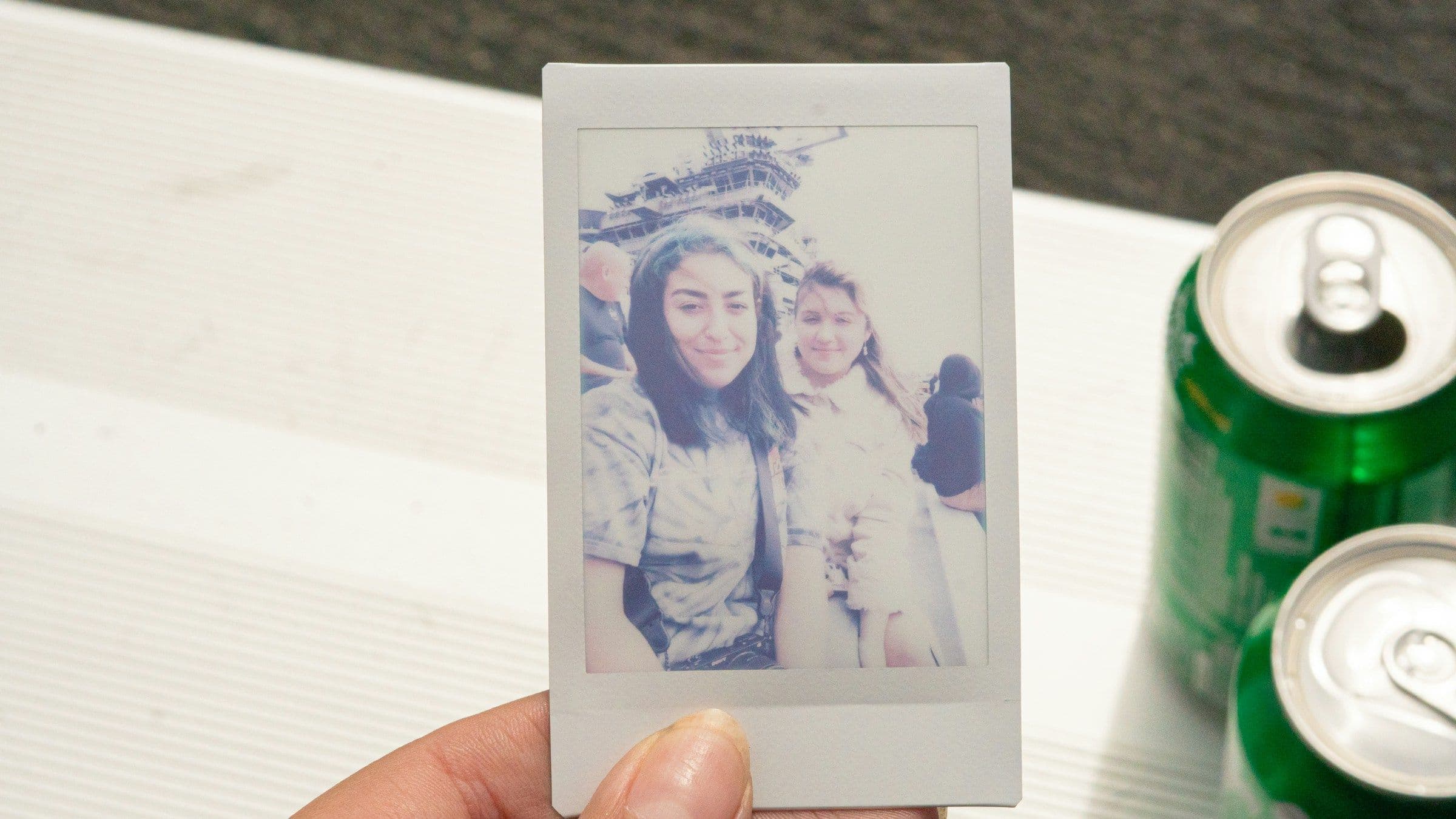
Not everyone starts with dates and places. For a lot of people, memory comes back through the senses first: a smell in a kitchen, the weight of something in the hand, a song on the radio. If lists and blank pages leave you cold, start with senses and let the story follow.
Most people have something in their home that carries a memory. See which of these is true for you:
- An object. A watch, a tool, a teapot, a chair that was always someone's. Pick it up and ask where it came from and who it belonged to.
- A smell. Pipe tobacco, a particular soap, baking, cut grass, perfume on a coat. Smell is often the quickest way back to a memory.
- A favourite piece of clothing. A coat you will never throw away, a wedding dress, a school tie, a jumper that still fits. Where did you wear it, and who was with you?
- Memorabilia. Ticket stubs, medals, postcards, letters, a shoebox of photographs, a drawing kept for decades.
- A sound or a song. The song that was playing, a voice on an old recording, a bell, an engine.
- A place in the house. A drawer, the shed, the spot by the window where you always sat.
Choose one and write down what you can see, hear, smell and feel before you try to explain anything. These questions help:
- What does it look like, and what does it feel like to hold?
- When did you first have it, or first notice it?
- Who is the first person you think of when you pick it up?
- What was going on in your life at the time?
- What would you want someone to know about it?
You don’t need to write about the object for long. The memory that comes next is usually the one worth keeping, and one thing often leads to another. Ten minutes is plenty, and then you can put it down.
How to write your life story if you would rather talk than write
Many people tell a story far better than they write one. If that is you, speaking is not a shortcut. It is a perfectly good way to capture a life.
- Talk to your phone. Most phones have built-in dictation. Open a note or a message, tap the microphone and speak the way you would to a friend. You can tidy it up later, or never.
- Record voice notes. Press record and talk about one memory for a few minutes. Many phones and apps can now turn a recording into text, and even if yours cannot, you still have your voice, which your family may treasure.
- Be interviewed. Some people only open up when somebody asks. Ask a family member or friend to sit with you, put a phone on the table to record, and ask one question at a time. The best follow-ups are simple: "What happened next?" or "What did it look like?" Let the silences sit, and try not to correct.
- Mix the two. Talk through a memory first, then type up the best parts yourself or have someone do it with you.
However you get it down, keep what was actually said rather than a tidied version. That’s where the voice is.
How to write your life story if writing is physically difficult
Arthritis, a tremor, a stroke, tired hands, poor eyesight or no sight at all: plenty of people who would love to record their lives cannot easily hold a pen or read a screen. None of that stops you having a story, and there are more ways in than ever.
- If you cannot write or type comfortably, use speech-to-text on a phone, tablet or computer, or ask someone to be your scribe. You talk, they type exactly what you say, and they read it back to you before you move on.
- If you cannot see a screen, or cannot see it well, screen readers such as VoiceOver on iPhone or TalkBack on Android can read text aloud, and dictation does the typing. Audio recordings need no screen at all, and a helper can read your drafts back to you.
- If spelling or reading makes writing stressful, speak instead of typing, ignore spelling completely, and have your text read back to you aloud. Nobody has to see a first draft.
- If your energy or memory comes and goes, work in short sessions of five minutes or so. Familiar objects, photographs and music can help bring things back, and someone sitting alongside you can help fill the gaps.
Your scribe or interviewer can be a grandchild, a friend, a carer or a neighbour. It can also turn the writing into time spent together, which is often a good thing in itself.
Five questions to start with
If you would rather have a question to answer than a page to fill, try one of these. A few lines is plenty, and you can say them aloud if you prefer.
- What is the first home you remember, and what did it smell like?
- What did you do for fun when you were about ten?
- What was your first job, and what did it teach you?
- What is a meal you remember, and who else was there?
- What do you remember clearly that nobody would think to ask about?

How Treetold makes room for different ways of writing
Treetold is a place to write down your memories one question at a time. We built it to be flexible enough to suit all types of people.
For the person who wants some guidance:
- Each memory starts with one gentle question, not a form.
- After you answer, Treetold can ask a single follow-up about what you wrote, if you want to go on.
- If you get stuck, there is a nudge that suggests an angle without answering for you.
For the person who wants freedom:
- There is no set order. Start anywhere and jump around.
- Type, or use your phone's own dictation. Fragments are fine.
- Your draft saves as you type, there is no deadline, and you can put it down and pick it up whenever you like.
- Your words stay yours. What you write is kept as you wrote it.
For the person who would rather talk, or finds writing hard:
- Use your phone's own dictation to speak your answers instead of typing them.
- A family member or friend can read each question aloud and type what you say, so the story is still told in your words.
- Short sessions are fine. Your draft saves as you go, so five minutes is enough.
It also works as a gift, which is where different ways of writing often meet. The one buying it may love a plan, and the one receiving it may not, so it has to suit both. On the home page you can see what one finished memory looks like, a short one about how two people met, in the words of the person who lived it.
Where to begin
Pick one question from the list above, or one thing from around your home, write or say a few lines in whatever order they arrive, and come back to it when you like. If you would like Treetold to do the asking, you can start a memory here.